
January Homeowners: Never Pay Out of Pocket for Surprise Home Repairs Again!
When your heating system quits in the dead of January, one emergency bill can wreck your whole month. Still unknown to many homeowners is a smarter way to protect major systems and appliances.
Household Gazette Editorial · Updated January 2026
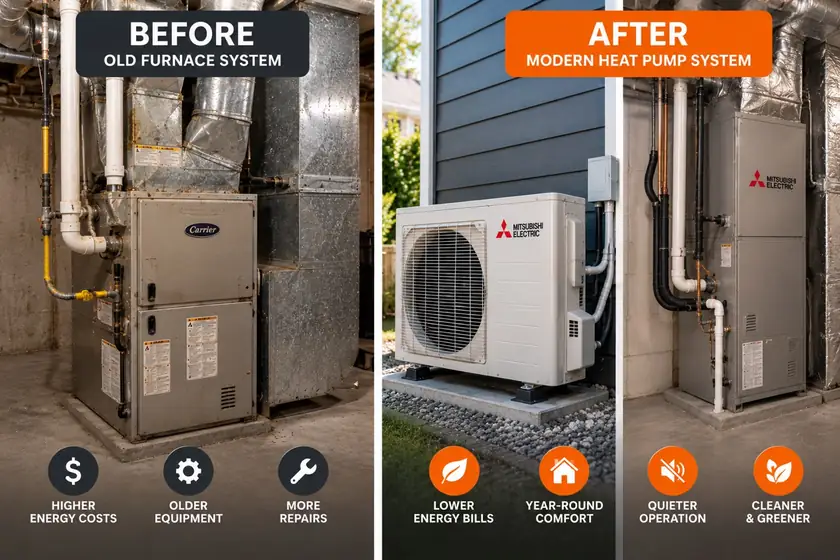
Don't get knocked out by January home repairs!
It always hits on the coldest night of the year. The house feels a little chilly, then you realize the vents are blowing ice-cold air — or nothing at all.
By morning you're scrambling for emergency service. A single furnace repair can run hundreds of dollars, and a full replacement can climb into the thousands. Don't wait around and let one bad breakdown derail your winter budget.
Still unknown to many homeowners is how a home warranty works: a yearly service plan built to help cover the cost of repairing or replacing covered home systems and appliances when everyday wear and tear catches up.
What is a home warranty?
A home warranty is a straightforward yearly service contract. You pay for the plan (monthly or annually), and when a covered system or appliance fails from normal wear and tear, the provider dispatches a technician to repair it — or replace it if it can't be fixed.
Instead of swallowing the whole emergency bill out of pocket, you typically pay a predictable service fee per visit. Coverage limits, terms, and exclusions vary by plan, so always review the contract details.
How a service call works

1. Request service
Something breaks — file a request online or by phone in minutes.
2. A technician is sent
A vetted local pro is dispatched to diagnose and fix the problem.
3. Pay only the service fee
For covered failures, you pay the set service fee and the plan handles the covered repair.
What's usually covered
Most plans cover the hard-working systems and appliances your household depends on every single day:
Exact coverage depends on the plan and provider.
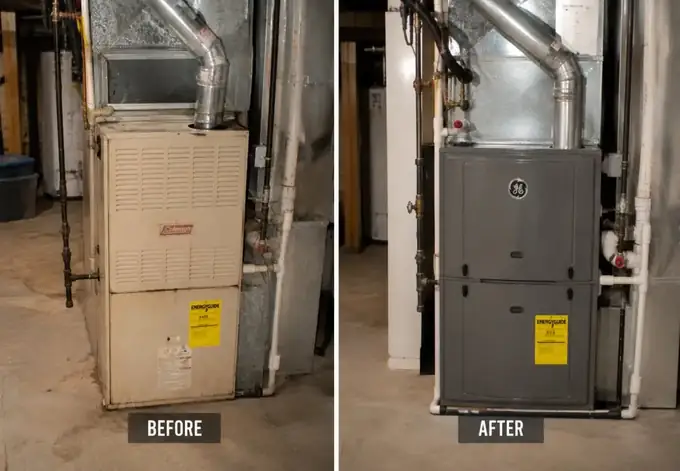
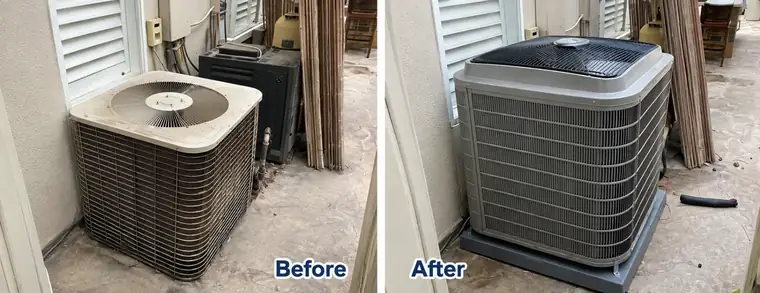
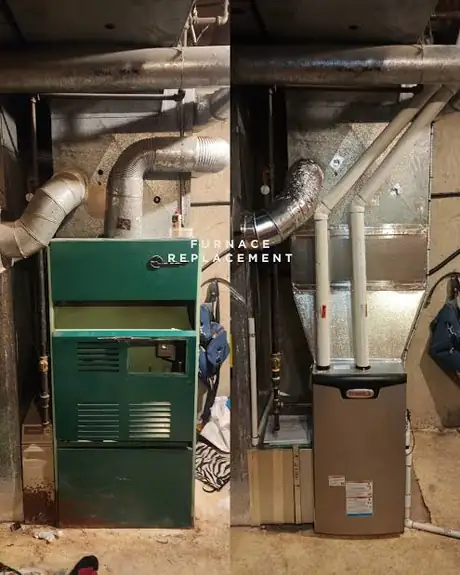
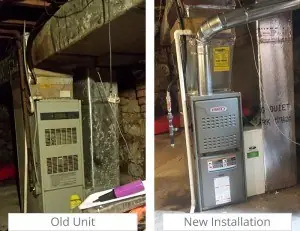
See what a real system replacement looks like
Home warranty vs. homeowners insurance
You likely have homeowners insurance, right? A home warranty is different — it's designed to cover the everyday mechanical breakdowns your insurance policy won't touch, like a broken furnace, a failing water heater, or an AC replacement.
Is it worth it?
Every home is different, depending on the age of your equipment and the plan you pick. Here's the simple side-by-side math to keep in mind:
Illustrative example only — not actual prices
Without a plan
Your furnace quits in January and you pay the full repair or replacement bill yourself — which can quickly run into the thousands.
With a plan
You've paid the plan cost. When a covered system breaks down, you pay the set service fee and the plan covers the approved repair up to its limits.
Savings aren't guaranteed. Plan prices, service fees, coverage limits and exclusions vary by provider and state.
Protect your budget in 3 quick steps
Quick. Simple. Transparent.
Answer a few quick questions
Share basic details about your home type and ZIP code.
Review eligible plans
See coverage options and service fees available in your area.
Pick your protection
Choose the plan that fits your home and monthly budget.